Why Is Your Cat Drooling Thick Saliva? Understand the Causes and What to Do
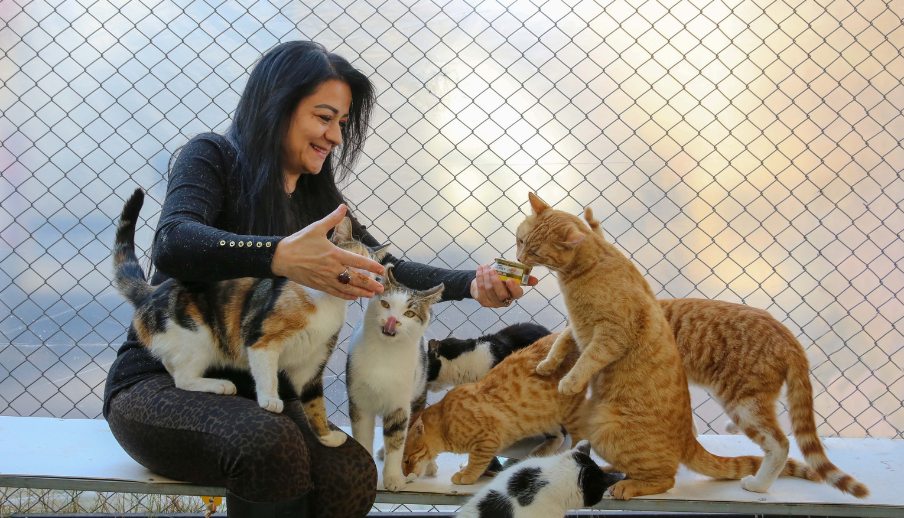
Cats are masters of mystery, and when they start drooling thick saliva, it can leave pet owners puzzled. While occasional drooling in cats is normal, especially when they’re purring contentedly, thick or excessive drool can signal underlying health issues. Understanding the potential causes and when to seek veterinary care will help to ensure your cat’s well-being.
What Causes Cats to Drool Thick Saliva?
Cats drool for various reasons; thick saliva can range from harmless to concerning. Here are the most common causes:
1. Dental Issues
One of the leading reasons for thick drool in cats is dental problems. These can include:
- Gingivitis or Tooth Decay: Infections in the gums or teeth can cause discomfort, leading to excessive drooling.
- Oral Ulcers or Abscesses: Painful sores or infections in the mouth may cause saliva to thicken.
What to Look For: Bad breath, reluctance to eat, pawing at the mouth, or visible swelling.
2. Stress and Anxiety
Cats are sensitive creatures, and stress can trigger physical responses like drooling. Common stressors include:
- Visits to the vet.
- New environments or loud noises.
What to Look For: Hiding, vocalizing, or changes in behaviour accompanying the drool.
3. Nausea and Gastrointestinal Issues
Nausea from motion sickness, gastrointestinal upset, or other health problems can cause cats to drool thick saliva.
What to Look For: Vomiting, reduced appetite, or lethargy.
4. Exposure to Toxins
Thick drool can indicate that your cat has ingested something toxic, such as:
- Certain plants (e.g., lilies).
- Cleaning products or chemicals.
- Human medications.
What to Do: If you suspect poisoning, seek veterinary care immediately. Other symptoms may include vomiting, diarrhea, or seizures.
5. Foreign Objects or Oral Injuries
Cats are curious and may chew on things they shouldn’t, leading to:
- Injuries inside the mouth.
- Objects getting stuck, such as string or sharp items.
What to Look For: Pawing at the mouth, difficulty eating, or visible irritation.
6. Respiratory or Oral Infections
Viral or bacterial infections, like feline herpesvirus or calicivirus, can cause mouth ulcers and drooling.
What to Look For: Sneezing, coughing, fever, or swollen gums.
7. Serious Health Conditions
Some cases of thick drool could indicate:
- Kidney or Liver Disease: These conditions can lead to nausea and oral ulcers.
- Neurological Problems: Issues like seizures or nerve damage can affect swallowing.
- Oral Tumors: Growths in the mouth may disrupt normal saliva production.
What to Look For: Persistent drooling, changes in eating or drinking habits, and overall lethargy.
When Should You Worry About Your Cat’s Drooling?
Not all drooling is cause for concern, but you should consult a veterinarian if:
- The drooling persists for more than a day.
- Your cat shows additional symptoms like vomiting, loss of appetite, or changes in behaviour.
- You notice visible signs of injury, swelling, or discoloration in the mouth.
- Your cat has been exposed to toxic substances or foreign objects.
How Is Drooling Diagnosed and Treated?
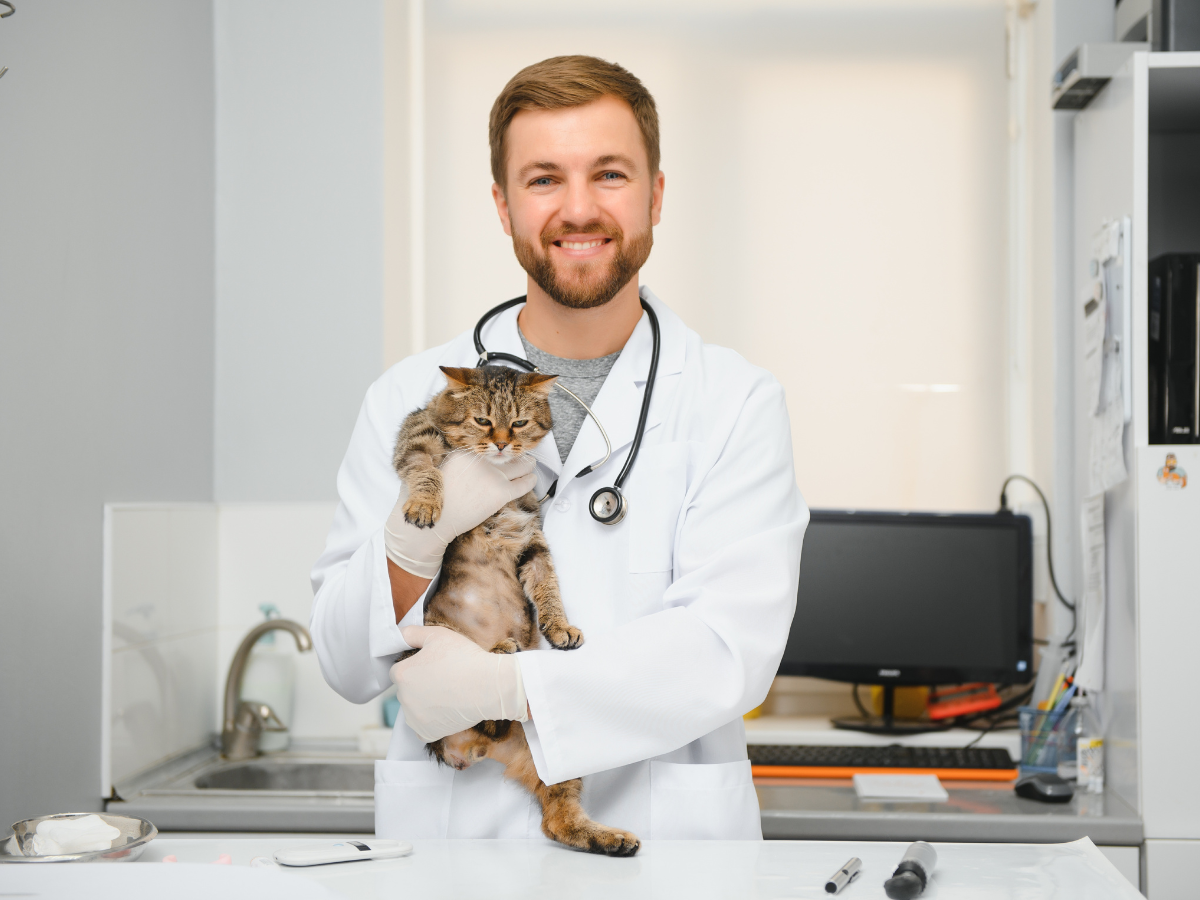
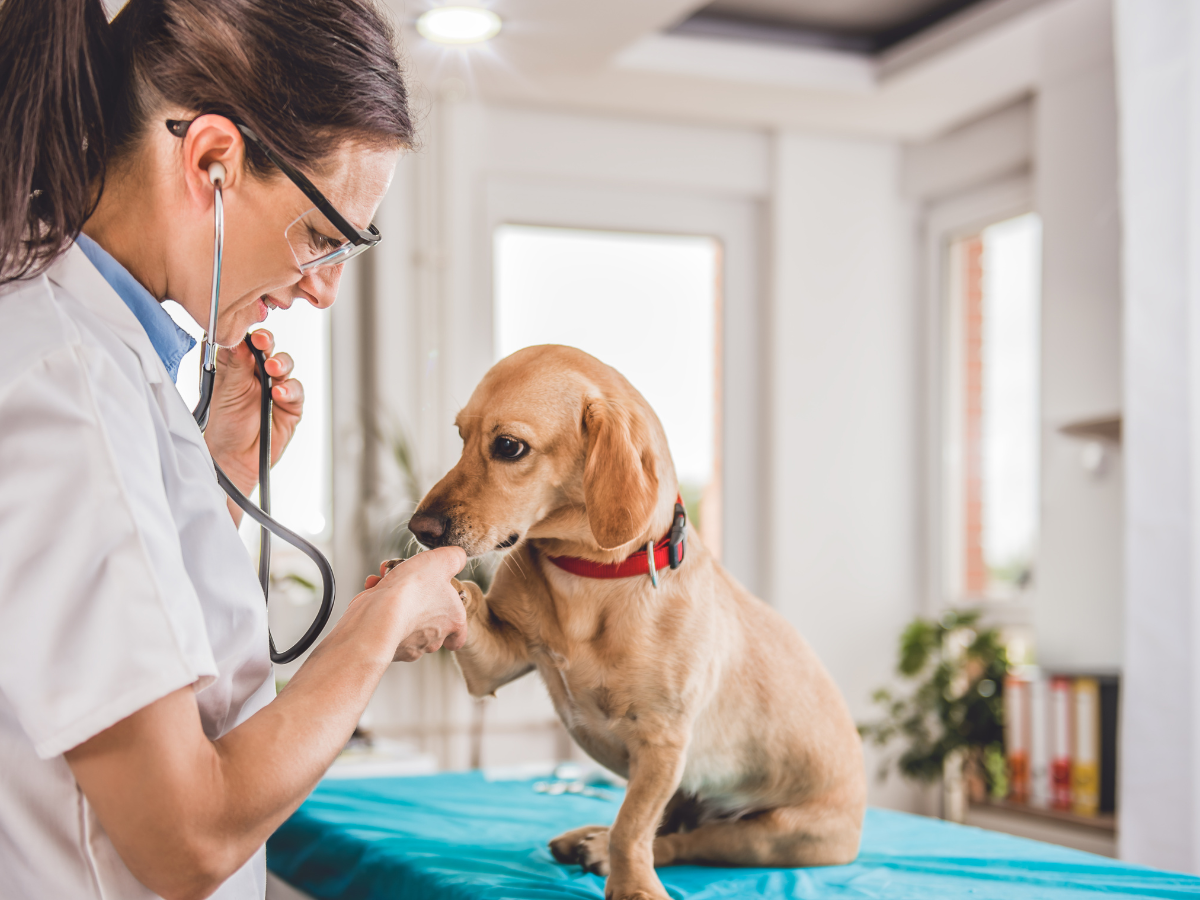
Your vet will perform a thorough examination to determine the cause of your cat’s drooling. This may include:
- Check the mouth for injuries, dental problems, or foreign objects.
- Conducting blood tests to evaluate kidney or liver function.
- Using imaging (e.g., X-rays) to look for tumours or internal issues.
Treatment Options:
- Dental Care: Cleaning, extractions, or medications for infections.
- Medications: Anti-nausea drugs, antibiotics, or treatments for underlying illnesses.
- Supportive Care: For poisoning or serious illnesses, immediate care may involve fluids, activated charcoal, or hospitalization.
Preventing Thick Drool in Cats
To keep your cat healthy and avoid future drooling concerns:
- Schedule regular veterinary checkups to monitor oral health.
- Ensure your cat’s environment is free of toxic substances.
- Offer a balanced diet to promote overall health.
- Address stress with calming products or behavioural modifications.
Conclusion
Thick drool in cats can be perplexing, but understanding the potential causes can help you act quickly and ensure your furry friend stays healthy. While occasional drooling may be harmless, persistent or unusual symptoms should never be ignored. Consult your veterinarian for a professional diagnosis and treatment plan to address the issue effectively.
Frequenly Asked Questions
Can stress cause my cat to drool thick saliva?
Yes, stress and anxiety can lead to drooling, especially in sensitive cats
Should I try to look inside my cat’s mouth?
Only if your cat allows it without stress. Otherwise, leave this to your veterinarian.
What home remedies can I try for drooling?
Avoid home remedies and consult your vet for a proper diagnosis and treatment plan.
This article is for informational purposes only and should not be used as a substitute for professional veterinary advice, diagnosis, or treatment. If your cat is experiencing persistent or unusual drooling, consult your veterinarian promptly for an accurate diagnosis and appropriate care.
Share this article by using the icons below!

Not All Orillia Veterinary Clinics Are the Same: What AAHA Accreditation Actually Means for Your Pet