Sudden Behavior Changes in Dogs? Here's What You Should Know

Understanding Sudden Behavior Changes in Dogs
Dogs are creatures of habit, and when their behaviour suddenly shifts, it can be concerning for pet owners. Whether your dog becomes aggressive, anxious, withdrawn, or starts exhibiting destructive tendencies, it’s important to understand the root cause. At Pine Grove Veterinary Hospital, we specialize in Behaviour Management in Orillia, helping pet parents navigate these challenges with expert guidance and a Fear Free approach.
Common Causes of Sudden Behavior Changes in Dogs
1. Medical Issues
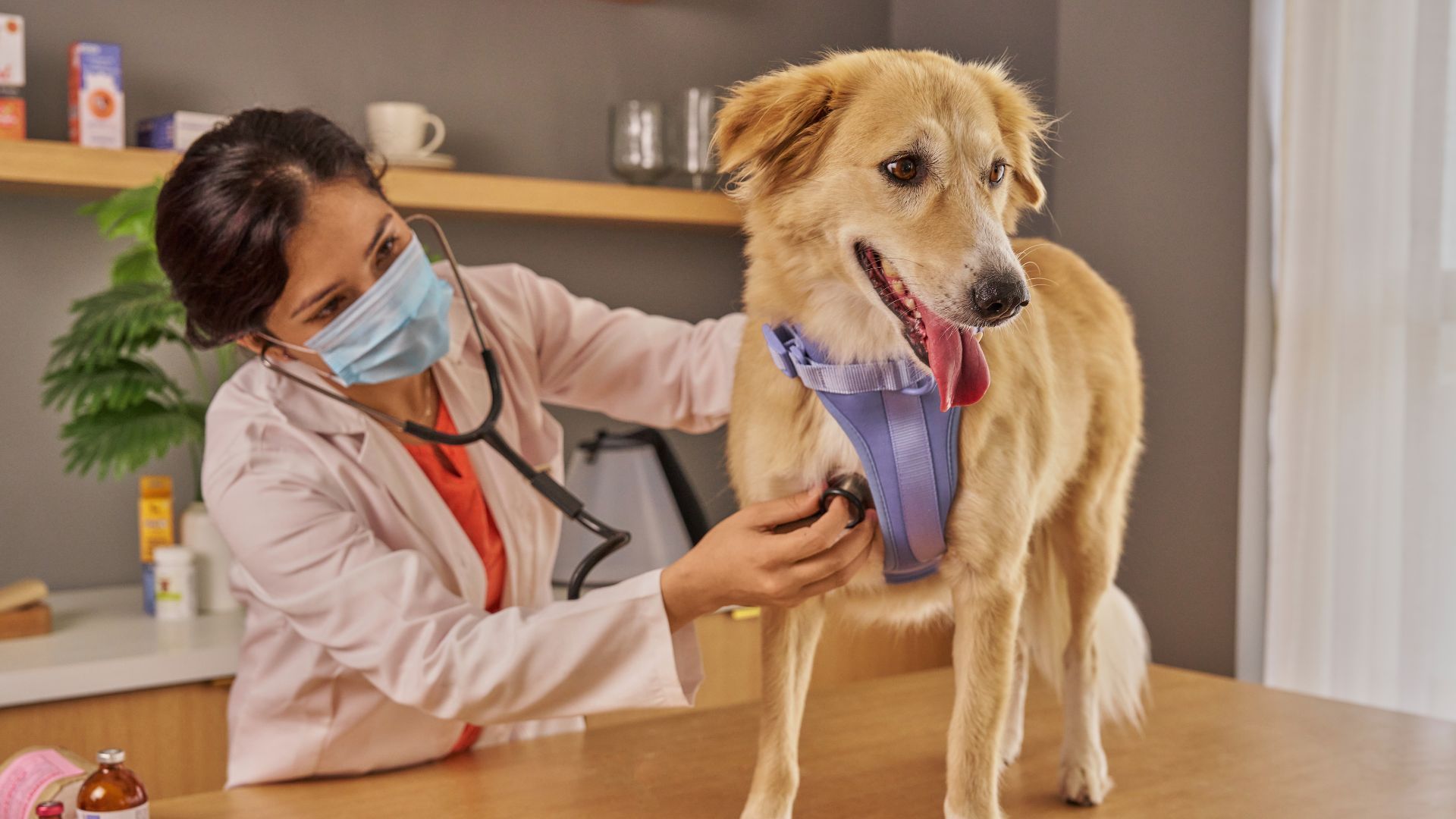
One of the first things to consider when your dog’s behavior changes unexpectedly is whether there is an underlying medical condition. Pain, infections, hormonal imbalances, or neurological disorders can all contribute to sudden shifts in temperament. A comprehensive veterinary exam at Pine Grove Veterinary Hospital can help rule out any medical concerns.
2. Environmental Stress and Anxiety
Changes in your dog’s environment—such as a move, the addition of a new pet, or loud noises—can trigger stress and anxiety. Our Fear Free Certified Professionals are trained to recognize and mitigate anxiety, ensuring a calm and comfortable experience for your pet.
3. Lack of Socialization or Training
Dogs that haven’t been properly socialized may struggle with sudden changes in routine. Our Behaviour Management services take a team approach, collaborating with pet owners to address undesirable behaviours and training issues.
4. Age-Related Cognitive Decline
As dogs age, they may experience cognitive dysfunction, which can result in confusion, irritability, and changes in sleeping patterns. Pine Grove Veterinary Hospital offers Preventive Care to help manage age-related behavioural changes and improve your pet’s quality of life.
5. Past Trauma or Fear Triggers
A traumatic past or negative experiences can manifest as sudden behaviour shifts. We utilize Fear Free techniques to reduce stress and build confidence in pets who may have developed anxiety-based behaviours.
How Pine Grove Veterinary Hospital Can Help
At Pine Grove Veterinary Hospital, our Behaviour Management program is designed to assess and address problematic behaviours using a holistic approach. Here’s how we can assist:
- Professional Behavior Assessments: Our experienced team evaluates your dog’s behaviour, environment, and triggers.
- Customized Training Plans: We develop strategies to correct negative behaviours while reinforcing positive ones.
- Medical Intervention if Needed: If a health issue contributes to behavioural changes, we offer comprehensive Medical Services to address the root cause.
- Fear Free Techniques: By prioritizing stress-free veterinary visits, we help reduce anxiety and build trust with your pet.
When to Seek Veterinary Assistance
If your dog’s behaviour changes suddenly and persists for more than a few days, or if their new behaviour includes aggression, excessive fear, or destructive tendencies, it’s essential to seek professional help. Ignoring behavioural shifts can lead to worsening symptoms and increased stress for both pets and owners.
Schedule an appointment with Pine Grove Veterinary Hospital today to ensure your dog receives the best care and guidance for a happy, well-balanced life.
This article is for informational purposes only and should not be considered professional veterinary advice. If your dog is experiencing sudden behaviour changes, consult a qualified veterinarian at Pine Grove Veterinary Hospital to determine the best course of action.
Share this article by using the icons below!
Not All Orillia Veterinary Clinics Are the Same: What AAHA Accreditation Actually Means for Your Pet