Behaviour Management: How Your Vet Can Help With Pet Anxiety and Aggression
Most anxiety and aggression in pets comes from fear, pain, or a medical problem, which is why the first stop should be your vet. At Pine Grove Veterinary Hospital, a behaviour appointment rules out health causes first, then builds a Fear Free plan you can actually follow at home.
A veterinarian helps with pet anxiety and aggression by first checking for pain or illness that can cause the behaviour, then building a treatment plan. That plan usually combines changes at home, reward-based training, trigger management, and sometimes medication. Because the causes are often medical, a vet exam is the right first step.
Quick Answer: Growling, hiding, snapping, and panic are usually fear or pain talking. Book a vet exam before you try another training fix.
Key Takeaways
- Fear, pain, and medical problems sit behind most anxious or aggressive behaviour in dogs and cats.
- A growl is a warning. Punishing it can remove the warning and leave the fear in place.
- A behaviour appointment at Pine Grove starts with a full history and exam, then a written plan.
- Fear Free handling keeps clinic visits from making anxiety worse.
- Sudden aggression in a pet who used to be calm needs a prompt exam.
In a 2026 analysis of more than 43,000 dogs in the Dog Aging Project, researchers at Texas A&M found that 84% were rated by their owners as at least moderately fearful in one or more everyday situations (Veterinary Research Communications, 2026).
That number doesn't surprise our team much. We see the trembling in the parking lot, the cat who won't come out of the back of the carrier, and the dog who is sweet at home but goes stiff and still when a stranger reaches for his head.
If your pet is anxious or aggressive, you have plenty of company. You also have more options than most people realize. At Pine Grove Veterinary Hospital, an AAHA-accredited Orillia veterinary clinic on Burnside Line in Severn, behaviour management is one of our core services, and it starts in the exam room.
Why is my pet anxious or aggressive?
Most anxious or aggressive behaviour in pets is driven by fear, pain, or an underlying medical problem rather than a bad temperament. Genetics, early socialization, past experiences, and changes at home all play a part. In many pets several causes overlap, which is why sorting them out usually takes a full history and a physical exam.
The American Animal Hospital Association's
Canine and Feline Behavior Management Guidelines state that more dogs and cats are affected by behaviour problems than by any other condition, and that these problems often end in relinquishment, euthanasia, or ongoing suffering. That is a hard sentence to read. It is also the reason we take behaviour seriously as medicine.
Aggression is usually defensive. A dog who lunges at other dogs on the trail, or a cat who swats when you touch her back, is most often trying to make something frightening or painful stop.
Common triggers we hear about include strangers, other animals, being handled while sore, car rides, vet visits, and loud noise. Thunderstorms rolling in off Lake Couchiching and Canada Day fireworks come up every summer.
In older pets, arthritis and age-related cognitive changes can shift behaviour gradually, so a senior dog who has become grumpy at night may be uncomfortable or confused. In cats, stress and pain often show up as hiding, swatting, or urinating outside the litter box.
Should I see a vet or a trainer first for a behaviour problem?
See your vet first. Pain from arthritis, dental disease, ear infections, or an injury can make a gentle pet snap, and conditions like thyroid disease or age-related cognitive decline can change behaviour too. A trainer can be a great partner once medical causes are ruled out. A trainer can't examine a sore hip.
We think of the dog who only growls when someone lifts him onto the couch, or the cat who started biting when brushed near her tail. Both look like attitude problems. Both are worth checking for pain before anyone works on training.
Sometimes we find a clear cause. Sometimes we don't, and a pet's fear seems to have come from nowhere we can identify. Honestly, that's frustrating for us too. It doesn't stop a good plan from helping.
Once medical issues are addressed or ruled out, the AAHA guidelines favour reward-based methods over punishment. If you already work with a trainer, bring their notes.
The best results usually come from your vet and trainer working from the same plan.
What happens at a behaviour management appointment at Pine Grove?
A behaviour appointment starts with a detailed history of what your pet does, when, and around whom, followed by a full physical exam. If bloodwork is needed, samples are sent to an outside laboratory for analysis. From there, our team builds a written plan with you and schedules follow-ups to adjust it as your pet improves.
Here is what that looks like, step by step.
- The history. We'll ask about triggers, timing, body language before an incident, and what you've already tried. Video from home helps, since many pets act completely differently in an exam room.
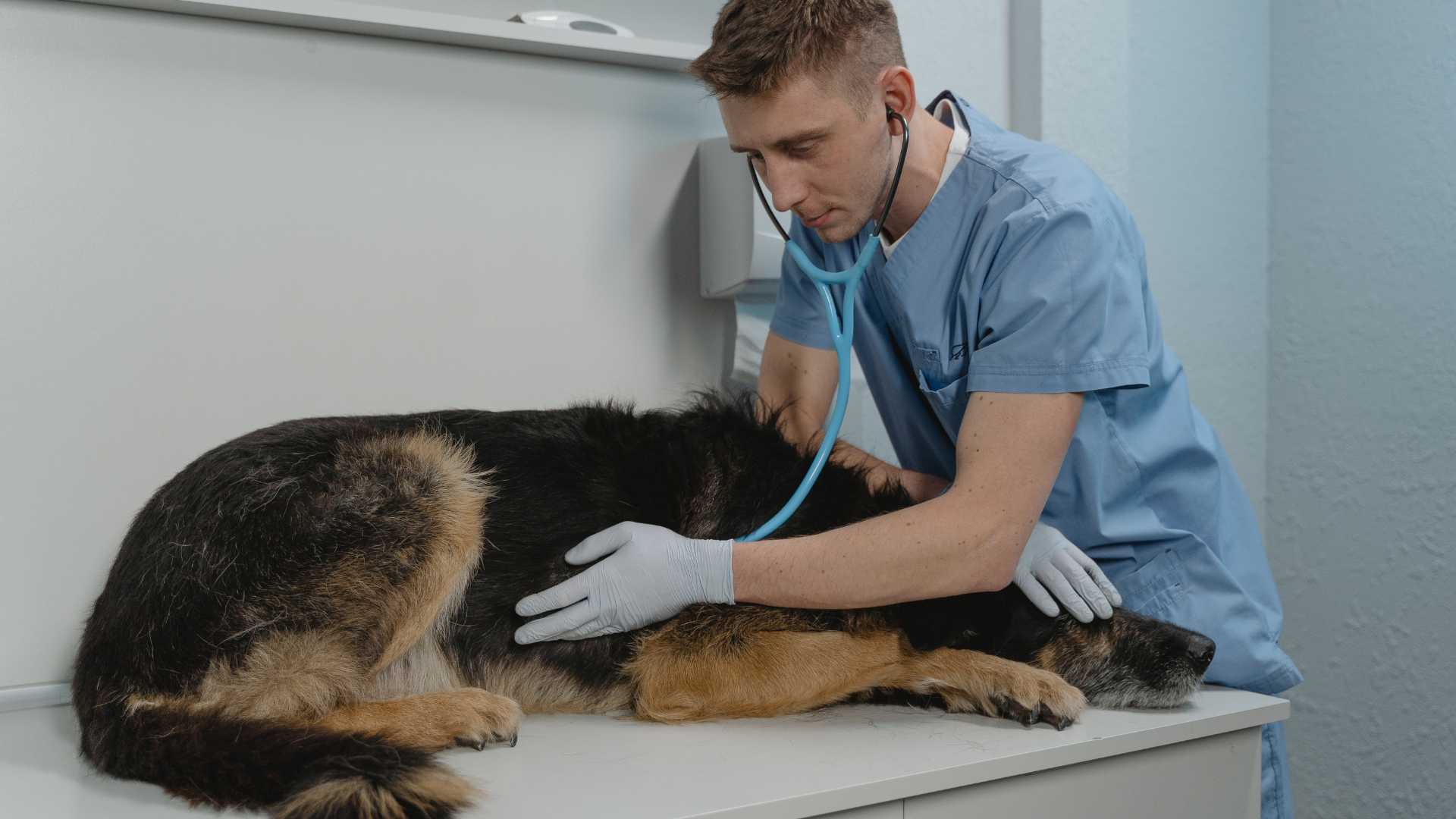
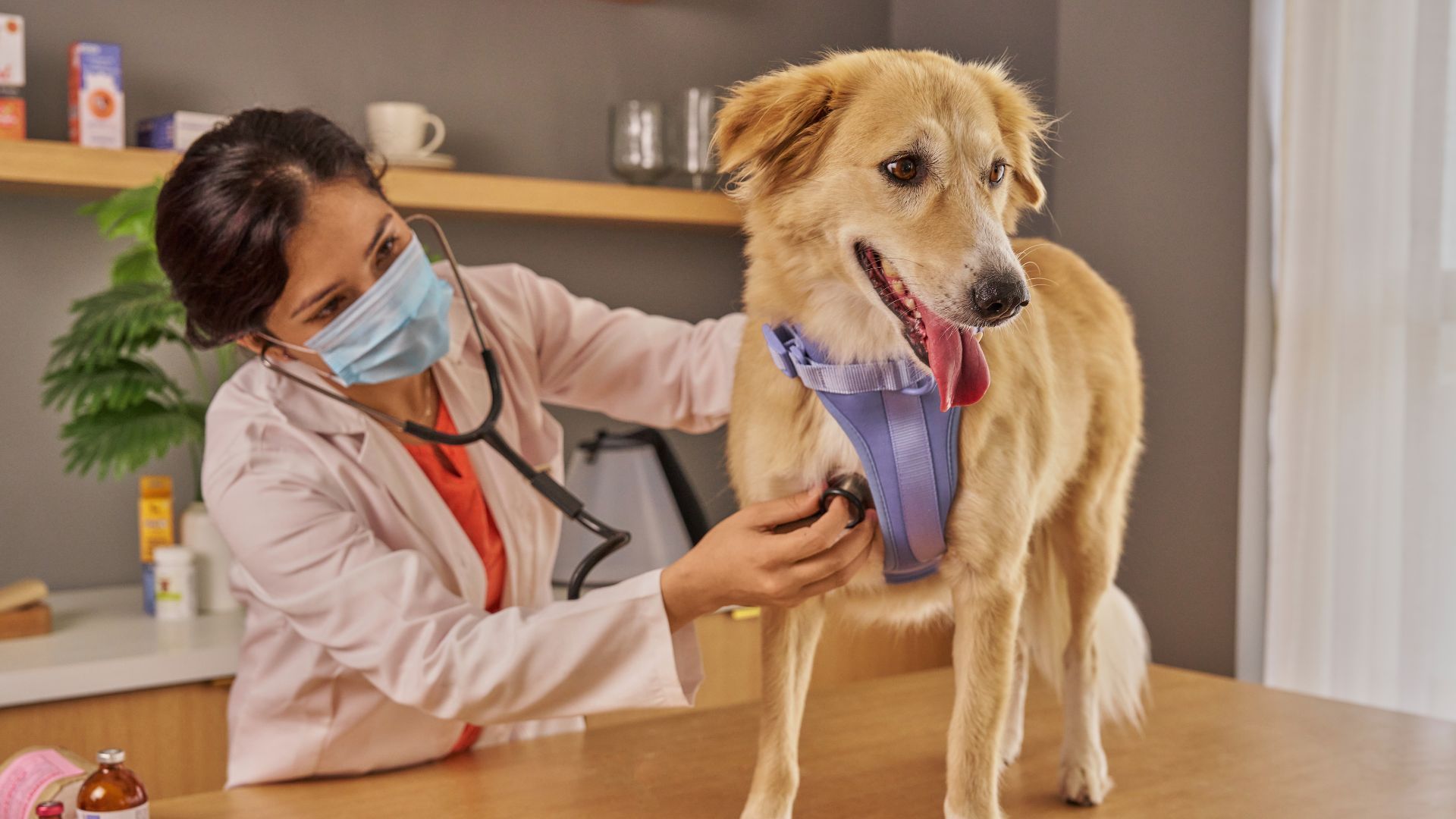
- The exam. A nose-to-tail physical to look for pain or illness, done with Fear Free handling, treats, and breaks as needed.
- Diagnostics, if needed. Bloodwork sent to our outside lab can check thyroid function and organ health, which also matters if medication becomes part of the plan.
- The plan. Usually a mix of managing triggers at home, reward-based behaviour modification, changes to your pet's environment, and, for some pets, anti-anxiety medication used alongside training.
- Follow-up. Behaviour changes gradually. We check in, see what's working, and adjust.
People sometimes worry that medication will sedate their pet or change their personality. The aim is to lower anxiety enough that your pet can learn, and your vet will talk through whether it makes sense for your pet at all.
How does Fear Free handling help an anxious pet?
Fear Free is a certification program that trains veterinary teams to reduce fear, anxiety, and stress during care. For an anxious or aggressive pet, that means gentler handling, treats, quieter spaces, and the option to pause or reschedule rather than push through. Each calmer visit makes the next one easier.
At Pine Grove, patients are brought into a dedicated cat room or dog room, so a nervous cat isn't sitting beside a barking dog. Our
Fear Free Certified Professionals watch body language closely and will stop if a pet is telling us they've had enough.
A small aside about cat carriers, because they cause more trouble than people expect. Most cats only see the carrier when something unpleasant is about to happen, so the carrier itself becomes the warning sign. Leaving it out in the living room for a few weeks, door open, with a familiar blanket inside, can change how your cat feels about it.
For some pets, even the drive is too much. Pine Grove offers in-home visits on Tuesdays, and a pet who panics in the car or at the clinic door may be a good fit. Ask the front desk if that could work for your pet.
What can I do at home while I wait for the appointment?
Keep everyone safe, avoid known triggers where you can, and write down what you see. Don't punish growling, hissing, or hiding, because those are warnings. Take short videos of episodes if you can do it safely. Those notes and clips will help your vet understand the problem faster than any description.
A few practical steps:
- Keep a simple log: the date, what happened just before, what your pet did, and how long it lasted.
- Give your pet a safe retreat, like a covered crate or a quiet room, and teach children to leave the pet alone there.
- Manage triggers for now. Walk at quieter times, use a baby gate, and ask visitors not to reach over your dog's head.
- Skip punishment and aversive tools. They can suppress the warning signal without changing the fear underneath.
- Supervise children closely around any pet who has growled, hissed, or snapped.
If your dog's behaviour changed suddenly, our earlier article on
sudden behaviour changes in dogs walks through the most common causes in more detail.
When is a behaviour change urgent?
Call promptly if a normally calm pet suddenly becomes aggressive, if there has been a bite that broke skin, or if anxiety comes with other signs like limping, not eating, vomiting, or confusion. Sudden behaviour changes are often the first sign of pain or illness, and they are easier to treat when caught early.
A bite involving a person is also a safety issue for your household. Please tell us about it when you call. Our job is to help you and your pet, and knowing the full picture lets us plan the visit safely for everyone.
Frequently Asked Questions
Can a vet help with dog aggression?
Yes. A vet can check for pain or illness that may be causing the aggression, which a trainer cannot do. From there, your vet can build a behaviour plan that may include trigger management, reward-based training, and, when appropriate, medication. Many aggressive dogs improve once the underlying fear or discomfort is treated.
Why is my cat suddenly aggressive?
Sudden aggression in a cat is often linked to pain, illness, or stress. Dental disease, arthritis, and urinary problems are common medical causes, while a move, a new pet, or a change in routine can trigger stress. Because the cause is often medical, a vet exam should come first.
Should I see a vet or a trainer for pet anxiety?
Start with your vet. Anxiety can be caused or worsened by medical problems, and a vet can rule those out and discuss options, including medication, that a trainer cannot prescribe. Once your pet has been examined, a reward-based trainer can be a helpful partner working from the same plan.
How does a vet treat anxiety in pets?
A vet treats pet anxiety by looking for medical causes first, then creating a plan that fits your pet. That plan usually includes reducing exposure to triggers, reward-based behaviour work, and changes at home. Some pets also benefit from anti-anxiety medication, which works best when combined with training.
Does an Orillia veterinary clinic offer behaviour management?
Yes. Pine Grove Veterinary Hospital, serving Orillia and Severn, offers behaviour management for dogs and cats. The team is AAHA accredited and includes Fear Free Certified Professionals. Appointments include a history, an exam to rule out medical causes, and a personalized plan. Call (705) 325-2279 to book.
How long does behaviour management take to work?
It depends on the pet and the problem. Small improvements often show up once triggers are managed, while long-standing fear or aggression usually takes months of steady work. Follow-up visits let your vet adjust the plan as your pet responds, so progress is measured rather than guessed.
Behaviour Care From a Team Trained to Lower Fear
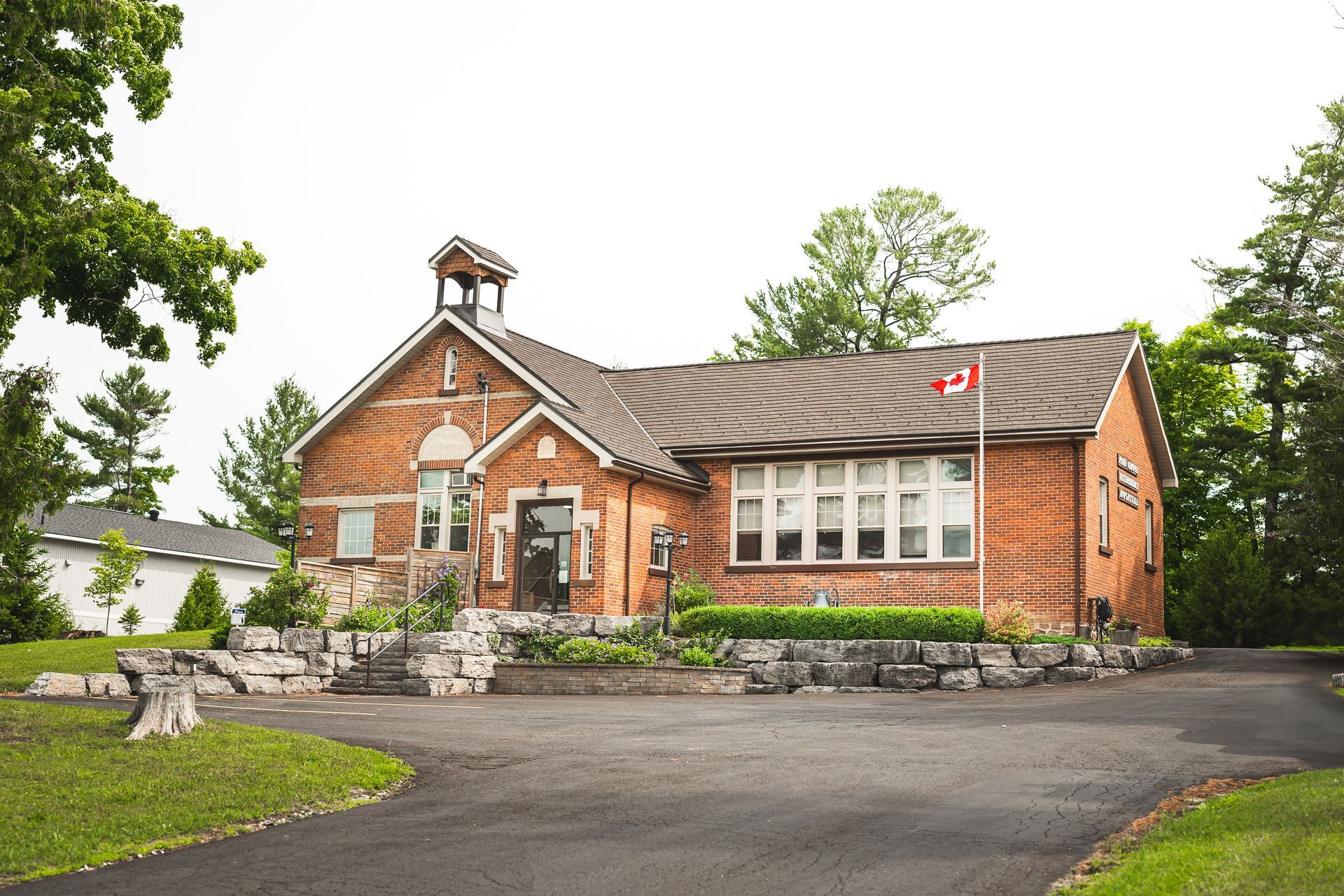
Pine Grove Veterinary Hospital is led by Dr. Ines Allin, Veterinarian and Practice Owner, and Dr. Aimee Gilbert. The hospital is AAHA accredited and Fear Free certified, and our team works with pet owners throughout Orillia, Severn, and the surrounding area from our clinic at 4351 Burnside Line, Severn, Ontario.
A Calmer Pet Starts With One Appointment
If your pet's anxiety or aggression is wearing on your household, you don't have to sort it out alone. Call Pine Grove Veterinary Hospital at (705) 325-2279 or request an appointment online. Bring your log and any videos you've taken. We'll take it from there.
Share this article by using the icons below!
Not All Orillia Veterinary Clinics Are the Same: What AAHA Accreditation Actually Means for Your Pet